British Shorthair Hypoallergenic
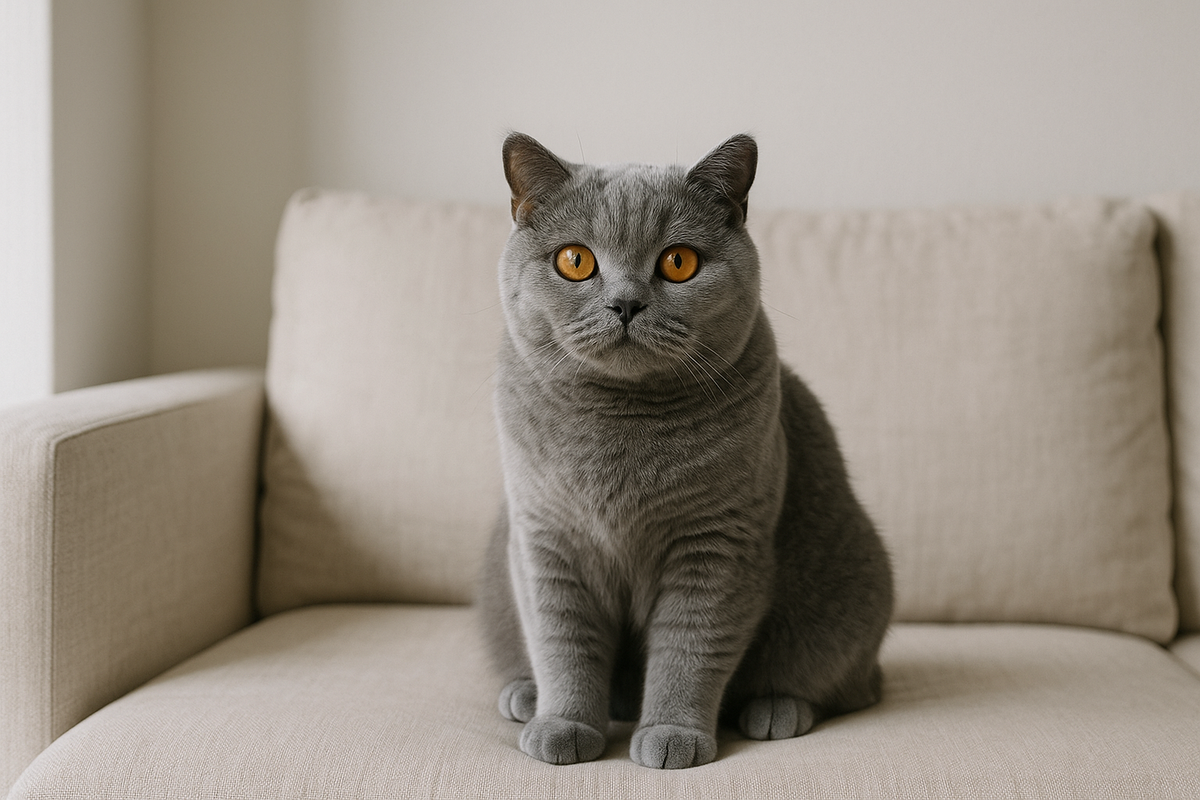
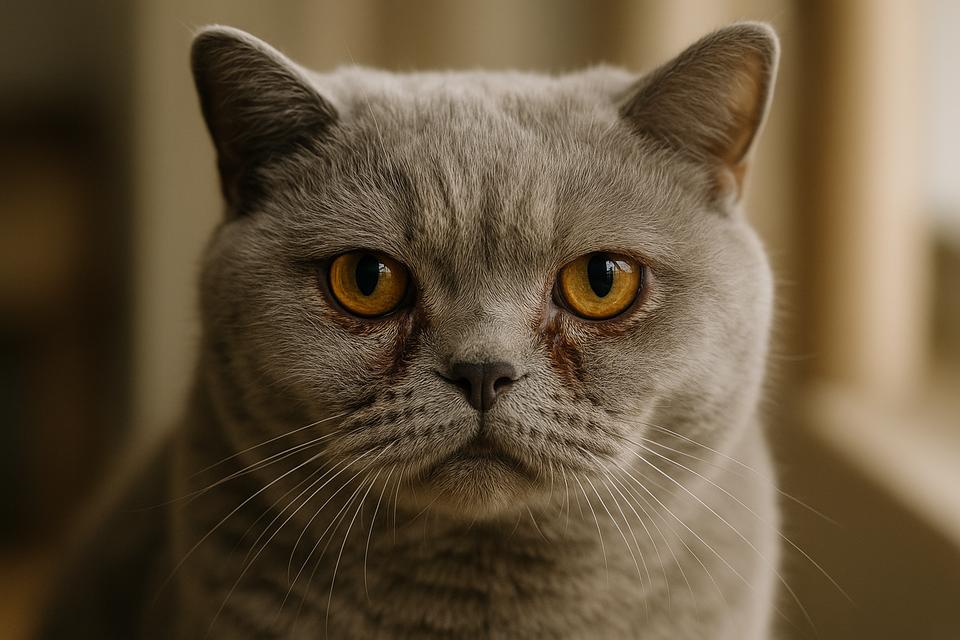
You've found the breed. Blue-grey fur, copper eyes, a calm that feels almost magnetic. The British Shorthair feels like the right fit — except for one thing. You're allergic to cats, and somewhere along the way someone told you British Shorthairs might be hypoallergenic, or at least easier. You're trying to find out if that's true before you fall any harder for a cat you may not be able to live with.
Are British Shorthairs hypoallergenic? The honest answer matters here. Getting it wrong in either direction has real consequences — for you and for any cat you bring home. This article is built on peer-reviewed research, not breeder claims or anecdote. The answer is more nuanced than a yes or no, and that nuance is actually useful.
Are British Shorthairs hypoallergenic? What the research says
No. No cat breed — including the British Shorthair — has been scientifically proven to be hypoallergenic. The evidence on this point is consistent and comes from multiple independent reviews.
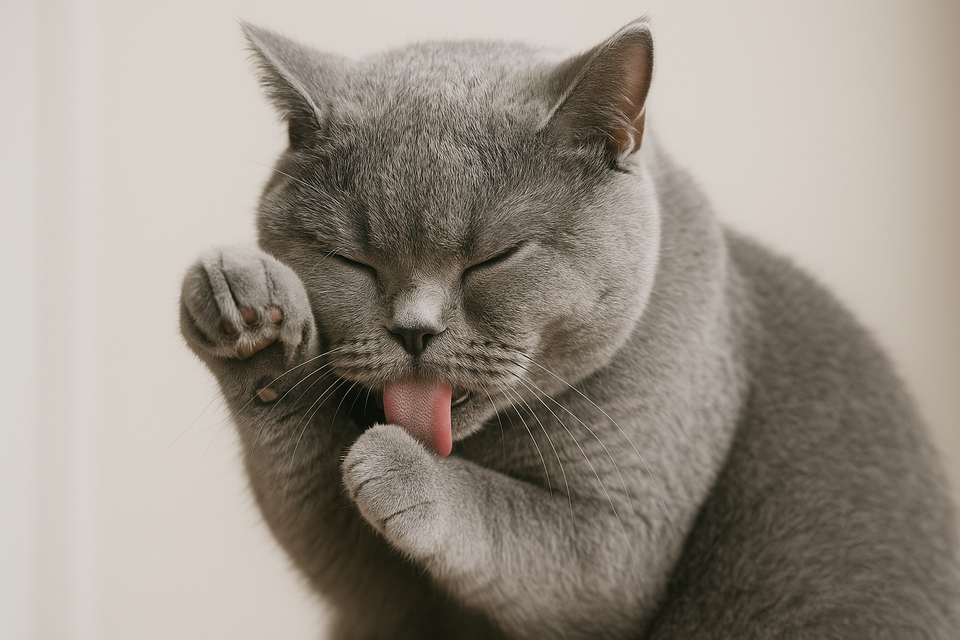
The source of the problem is a protein called Fel d 1. All domestic cats produce it. It is secreted through saliva, sebaceous glands in the skin, and perianal glands. When a cat grooms itself, Fel d 1 coats the fur and dries. The dried particles are fine enough to remain airborne, cling to furniture and clothing, and persist in a home for up to six to nine months after the cat is removed.
A 2024 review in Allergologie Select — one of the most recent comprehensive assessments of the "hypoallergenic pet" claim — concluded that no furry breed can be definitively recommended as hypoallergenic based on current evidence. A 2010 review in Veterinary Dermatology was more pointed: it named the belief that certain coat types cause fewer allergies a "misconception" that persists in the public domain without scientific support.
There is no published study that has measured Fel d 1 levels specifically in British Shorthairs. Any claim that the breed is hypoallergenic has no evidence behind it.
The British Shorthair hypoallergenic myth — and what actually varies
The headline answer is clear. But the finding that matters most for someone who is allergic and genuinely wants a British Shorthair is this: individual variation in Fel d 1 production between cats dwarfs any breed-level difference.
A year-long study published in the Journal of Feline Medicine and Surgery followed 64 domestic shorthair cats with repeated salivary Fel d 1 measurements over 12 months. The range of production spanned 0.4 to 35 µg/mL — an 87-fold difference between the lowest and highest producers. Coat colour, body size, and sex did not reliably predict where any individual cat landed on that range.
The practical consequence: the gap between a low-producing cat and a high-producing cat, within any breed, is enormous. Some British Shorthairs produce very little Fel d 1. Others may produce a great deal. A breeder claiming to sell a "hypoallergenic" British Shorthair line is making a claim without evidence — but that does not mean every British Shorthair is equally allergenic for every person.
One factor that does make a consistent difference is neuter status. Two studies in the Journal of Allergy and Clinical Immunology found that male cats produce roughly twice as much Fel d 1 as females in skin washes. Neutering reduces production in males, and a population-based home dust study found that neuter status was the strongest cat-specific predictor of Fel d 1 levels in the home environment. This effect is independent of breed: a neutered female of any breed is a lower-risk choice than an intact male of any breed when managing Fel d 1 cat breeds exposure.
What this means in practice
If you are allergic and considering a British Shorthair, the useful question is not "is this breed hypoallergenic?" — it is "what is the allergen level of this specific cat, and can I manage it?"
The British Shorthair's dense, plush double coat does not protect against allergens. Fel d 1 is a protein problem, not a hair problem. It originates in saliva and skin, not in the fur itself, and coat type has no documented effect on Fel d 1 production. British Shorthair grooming behaviour is worth understanding — regular grooming of the cat can reduce dander accumulation on surfaces, but it does not affect what the cat produces.
The breed's notoriously calm temperament and low activity level might seem relevant — a calmer cat may groom less actively in your presence. But once Fel d 1 is in the environment, it persists regardless of when or where the grooming happened.
The British Shorthair's tendency toward weight gain is worth noting in the context of management: skin health is affected by nutrition and body condition, and while no study has directly linked obesity in British Shorthairs to Fel d 1 output, maintaining a healthy weight matters for the cat's overall skin condition.
Concrete actions if you are allergic but want a British Shorthair
-
See an allergist before committing. A skin prick test or specific IgE blood test will measure your sensitivity to Fel d 1 specifically, not just "cats" generically. Knowing your baseline sensitivity — mild, moderate, or severe — is the most important information you can have before making this decision.
-
Spend extended time with the specific cat — not just a brief visit. Allergen exposure takes time to trigger a response in many people. Arrange to spend several hours in the environment where the cat lives, ideally more than once. Understand that this will not reliably predict your reaction once you live with the cat full-time, because allergen levels can shift as a cat matures.
-
If you choose a British Shorthair, prioritise a neutered female. Based on the available evidence, a neutered female of any breed produces less Fel d 1 than an intact male. This is a relative risk reduction, not a guarantee.
-
Ask the breeder about Fel d 1 saliva testing. A small number of breeders now offer saliva-based Fel d 1 testing for individual cats. The test is not perfect, but it is the only evidence-based method for assessing a specific cat's allergen production before you commit.
-
Build allergen management into the home from day one. HEPA air purifiers, high-efficiency vacuum filters, keeping the cat out of the bedroom, washing hands after contact, and washing soft furnishings regularly all reduce allergen load. These are not alternatives to cat selection — they work alongside it.
-
Talk to your allergist about immunotherapy. Allergen immunotherapy — allergy shots or sublingual drops — builds tolerance over time for many people with cat allergies. Some owners with moderate allergies manage well long-term with a combination of immunotherapy, antihistamines, and environmental controls.
What we still don't know
No study has measured Fel d 1 production in British Shorthairs specifically. Whether the breed's average Fel d 1 output is higher, lower, or comparable to other breeds is unknown.
Whether the British Shorthair's dense double coat affects how Fel d 1 aersolises or settles in a home environment has not been studied. The same gap applies to the breed's brachycephalic facial structure and whether it affects allergen dispersal in any way.
No study has examined whether British Shorthair heart disease (HCM), dental disease, or other common breed health conditions interact with Fel d 1 production or skin barrier function.
The most-studied "hypoallergenic" breed — the Siberian cat — has genetic mutations in its Fel d 1 genes, identified in a 2017 study. But the authors of that study explicitly called for further research before those mutations could be treated as markers of reduced allergenicity. No confirmatory study has been published since. If the Siberian case remains unresolved after decades of interest, the British Shorthair case — with no published data at all — cannot be treated as settled in either direction.
Sources
- Hilger C, Janssen-Weets B, Swiontek K. Hypoallergenic animals: A promise of hope for allergic patients? Allergol Select. 2024;8:64-69. DOI: 10.5414/ALX02454E
- Morris DO. Human allergy to environmental pet danders: a public health perspective. Vet Dermatol. 2010;21(5):441-449. DOI: 10.1111/j.1365-3164.2010.00882.x
- Lei DK, Grammer LC. An overview of allergens. Allergy Asthma Proc. 2019;40(6):362-365. DOI: 10.2500/aap.2019.40.4247
- Bastien BC, Gardner C, Satyaraj E. Influence of time and phenotype on salivary Fel d1 in domestic shorthair cats. J Feline Med Surg. 2019;21(10):867-874. DOI: 10.1177/1098612X19850973
- Jalil-Colome J, de Andrade AD, Birnbaum J, et al. Sex difference in Fel d 1 allergen production. J Allergy Clin Immunol. 1996;98(1):165-168. DOI: 10.1016/s0091-6749(96)70238-5
- Ramadour M, Birnbaum J, Magalon C, et al. Cat sex differences in major allergen production (Fel d 1). J Allergy Clin Immunol. 1998;101(2 Pt 1):282-284. DOI: 10.1016/S0091-6749(98)70411-7
- Nicholas C, Wegienka G, Havstad S, et al. Influence of cat characteristics on Fel d 1 levels in the home. Ann Allergy Asthma Immunol. 2008;101(1):47-50. DOI: 10.1016/S1081-1206(10)60834-4
- Sartore S, Landoni E, Maione S, et al. Polymorphism Analysis of Ch1 and Ch2 Genes in the Siberian Cat. Vet Sci. 2017;4(4):63. DOI: 10.3390/vetsci4040063
If you have concerns about your British Shorthair's health, consult your vet. This article is informational only.